STONE TYPES
Quartzite – Hard, exclusive and luxurious
Quartzite is one of the hardest types of natural stone and combines the luxurious look of marble with the strength and durability of granite. The rock is formed when sandstone is transformed under high pressure and temperature into a crystalline structure rich in quartz. The result: a natural stone that is unmatched both aesthetically and practically.
Origin
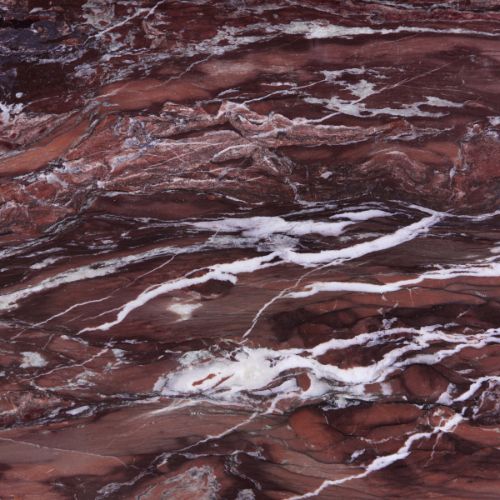
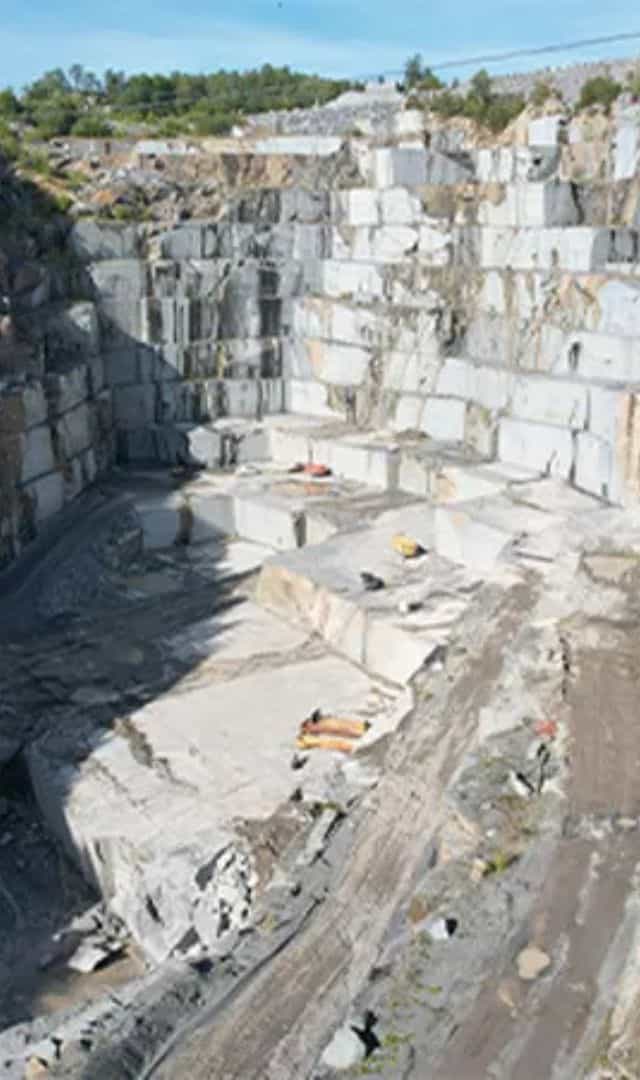
Quartzite is quarried worldwide, mainly in Brazil, Italy and Scandinavia. Thanks to its unique composition and crystal formation, each quarry has its own distinctive colours and veins.
Popular types of quartzite
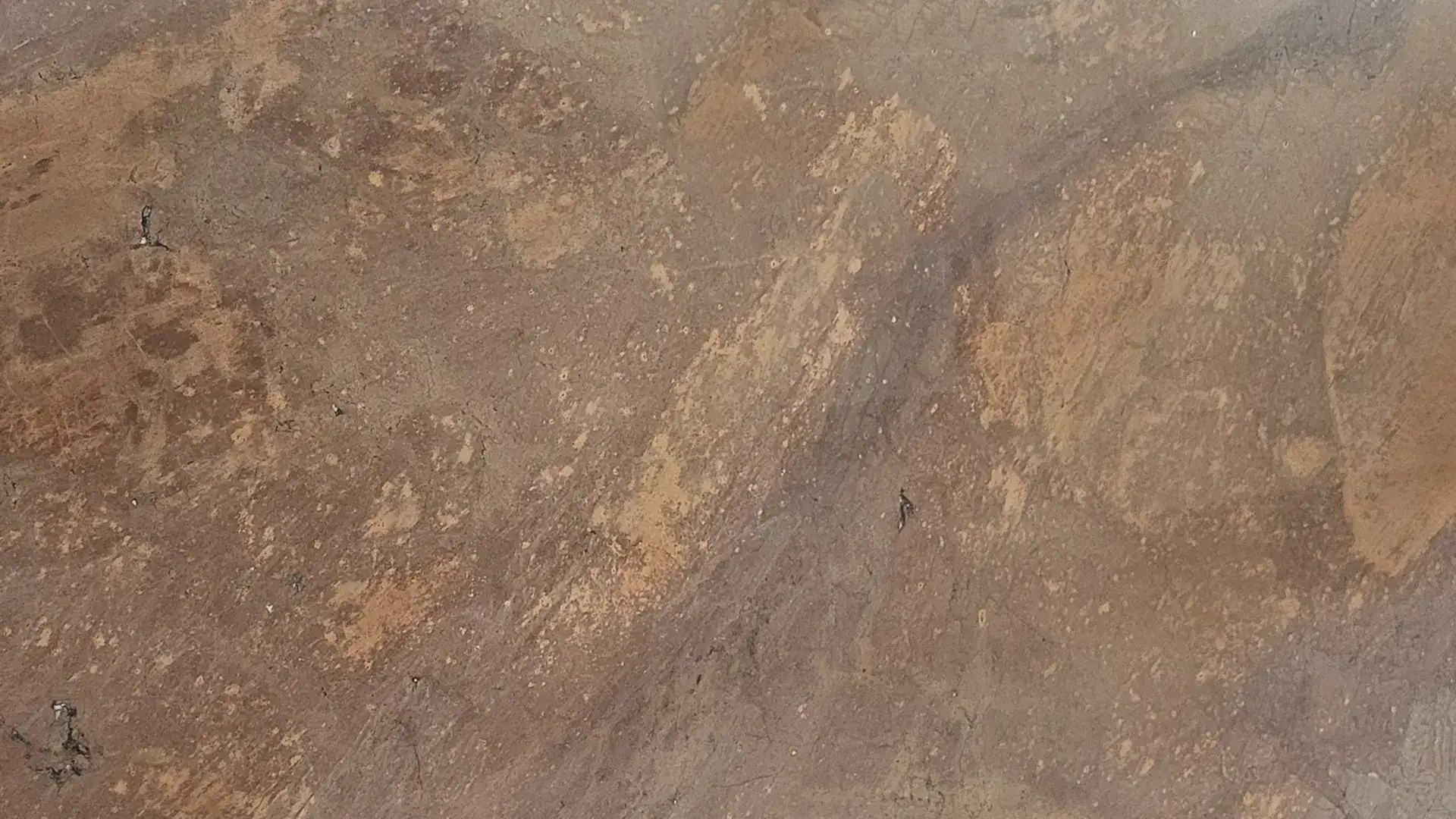
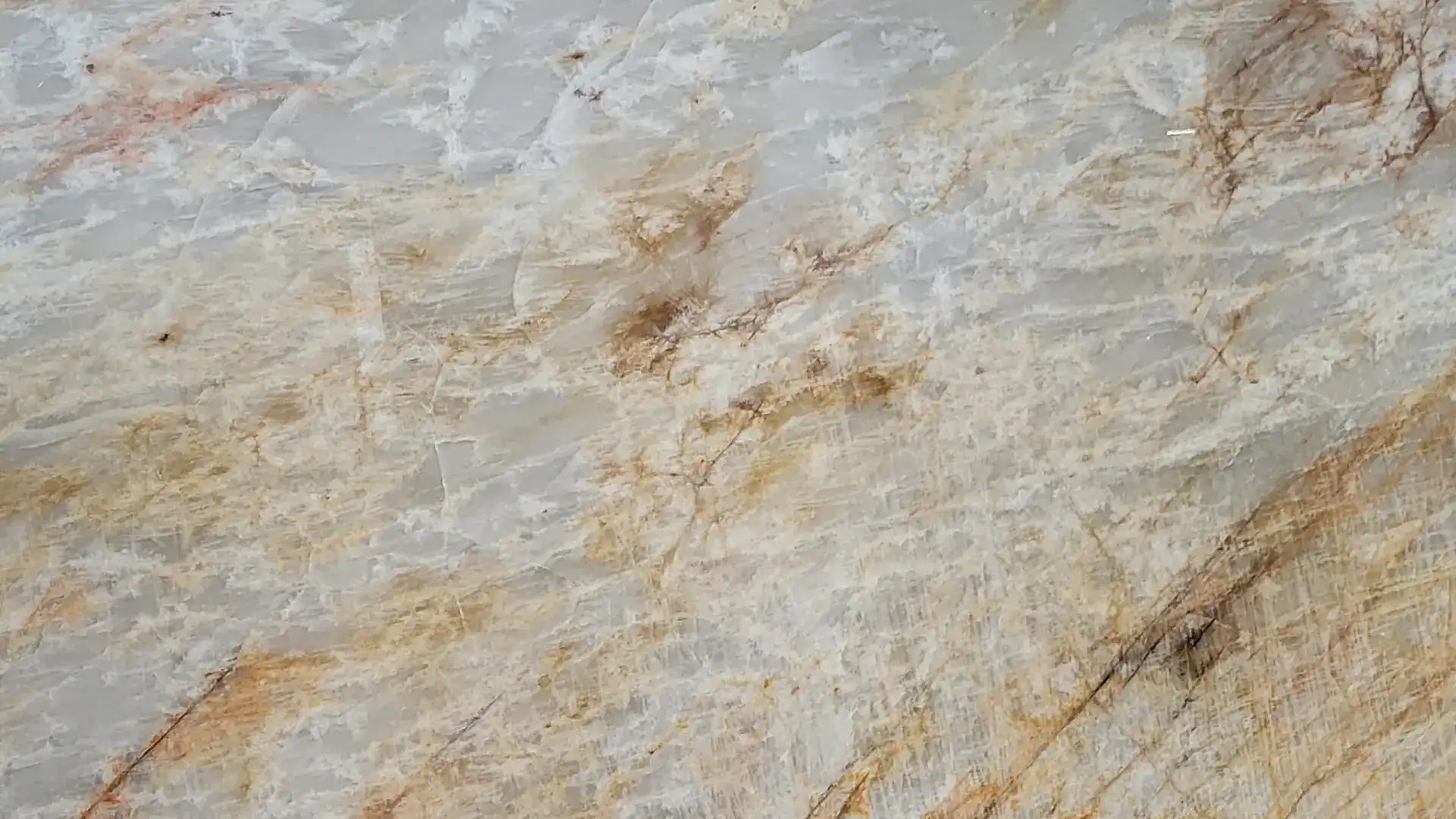
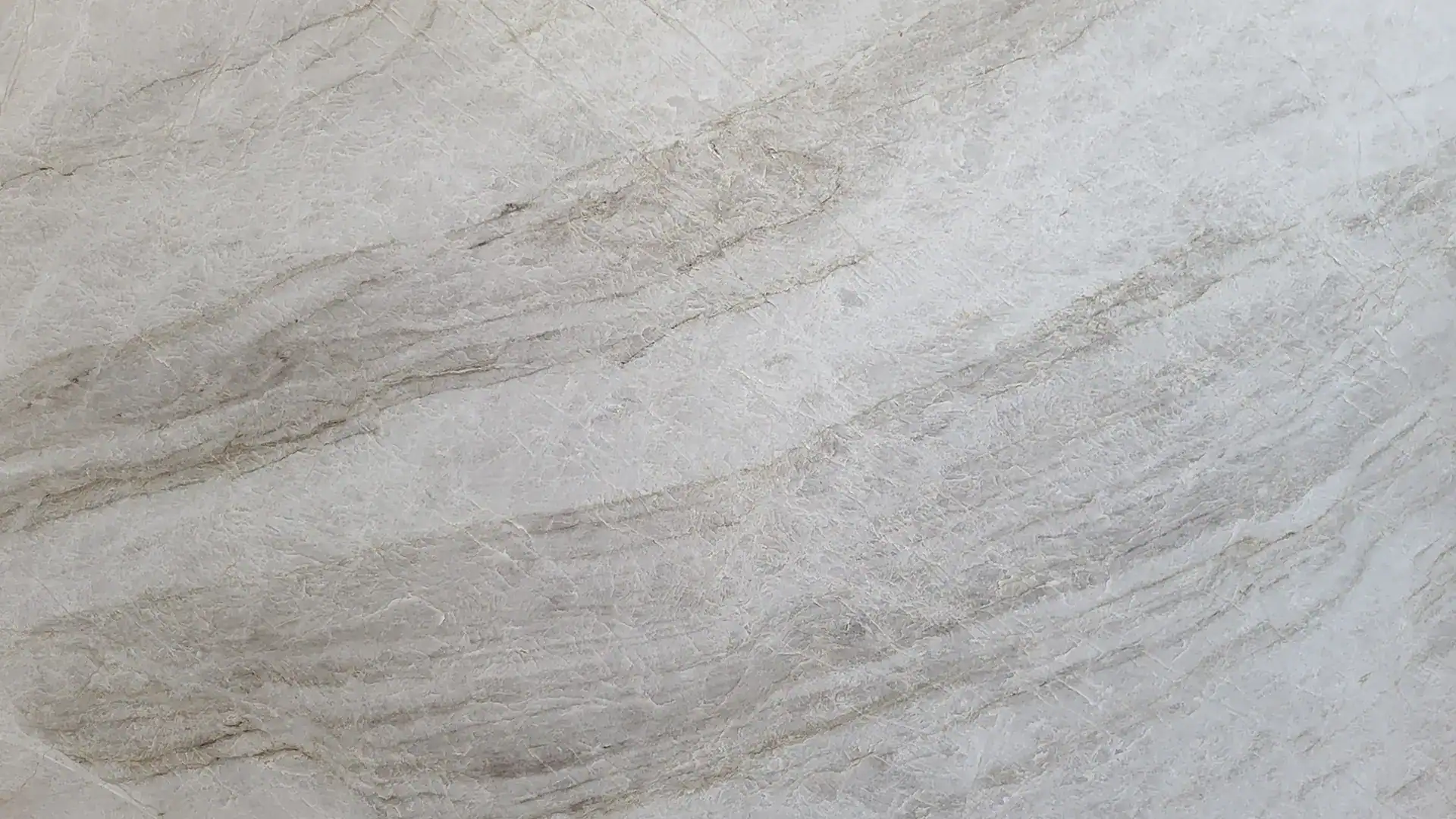
- Taj Mahal – Beige to golden, warm look, popular in luxury kitchens.
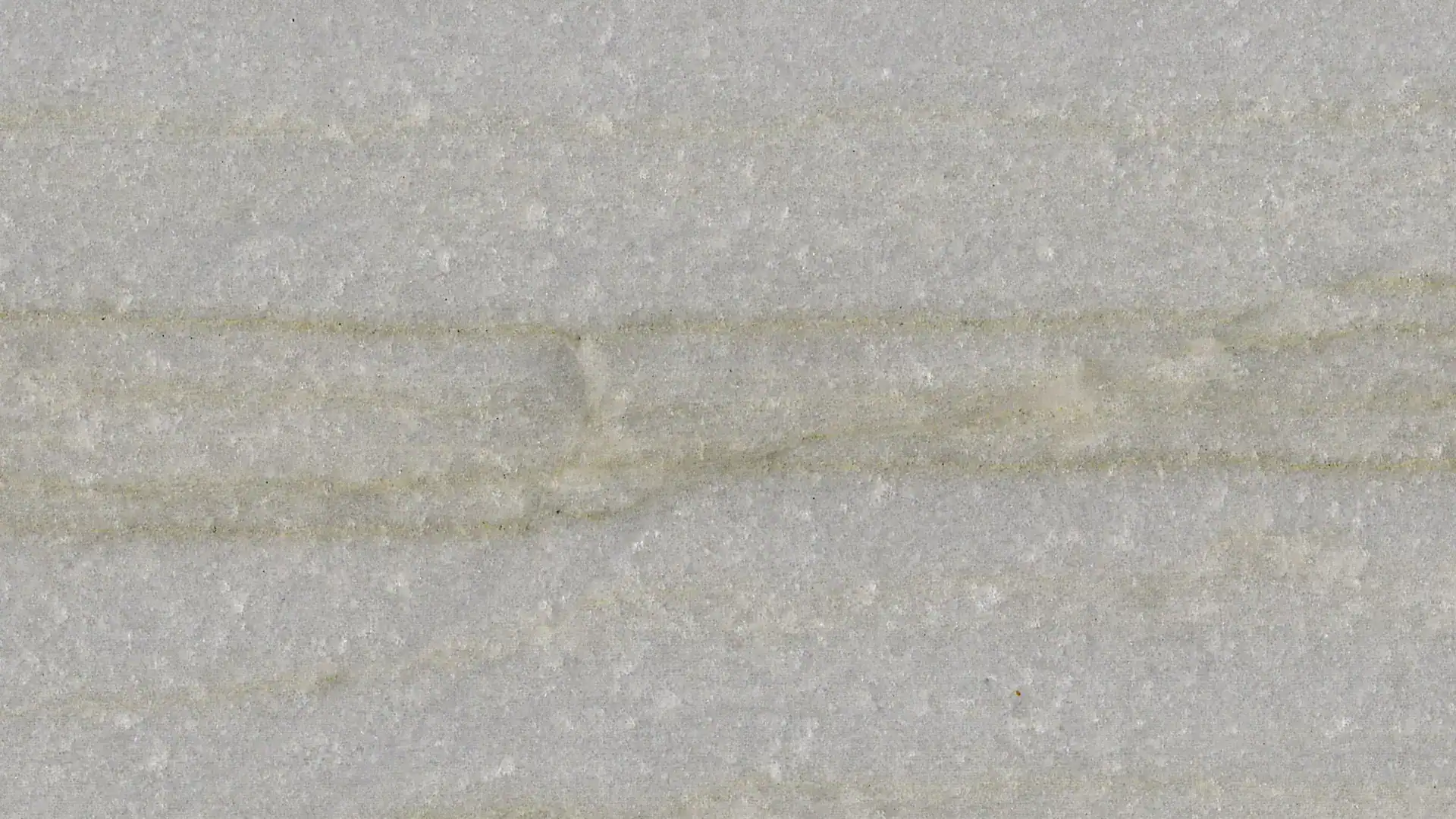
- White Macaubas – White with subtle grey veins, elegant and timeless.
- Bianco Eclipsia – Crisp white with light veining, perfect for modern interiors.
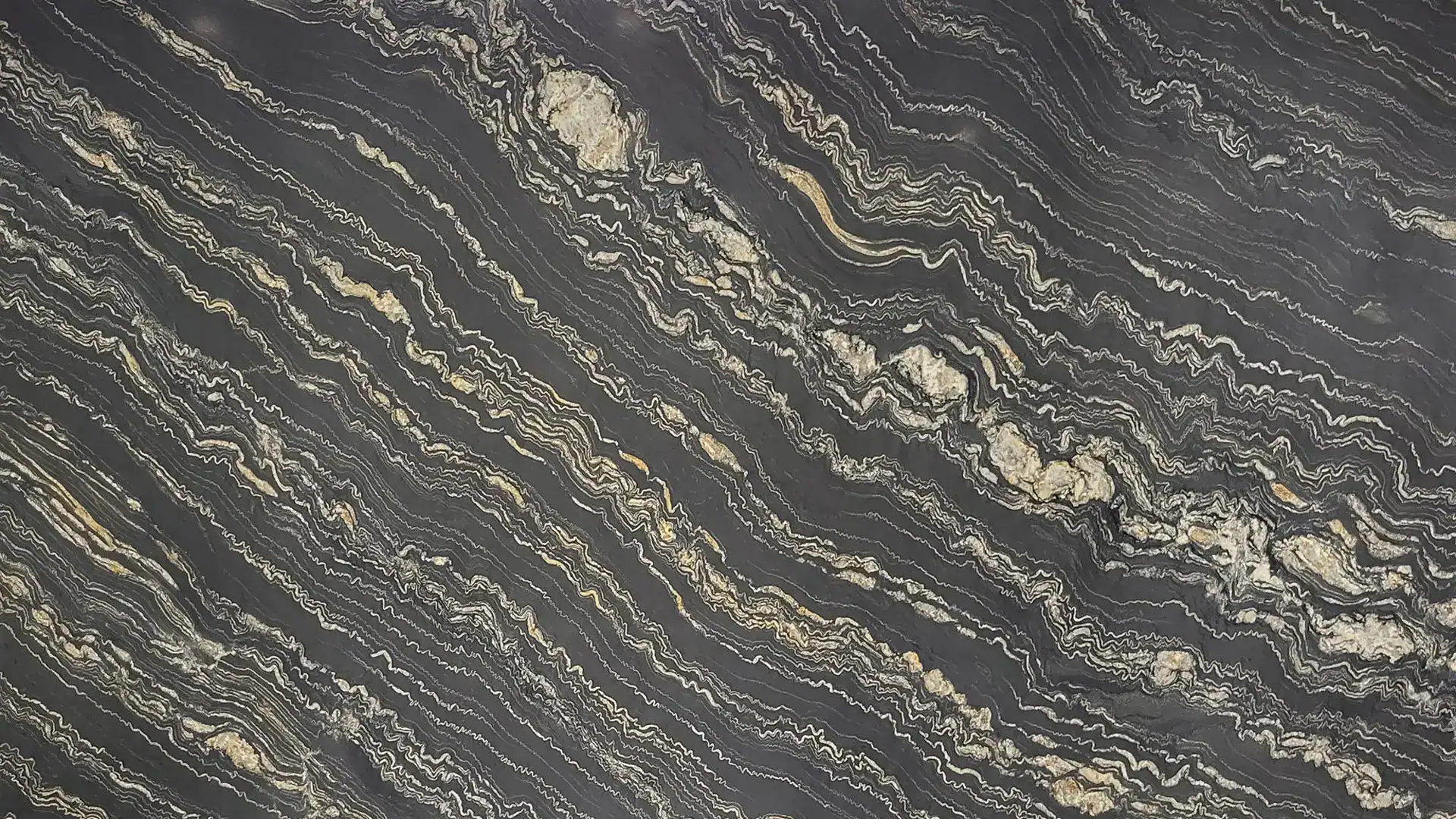
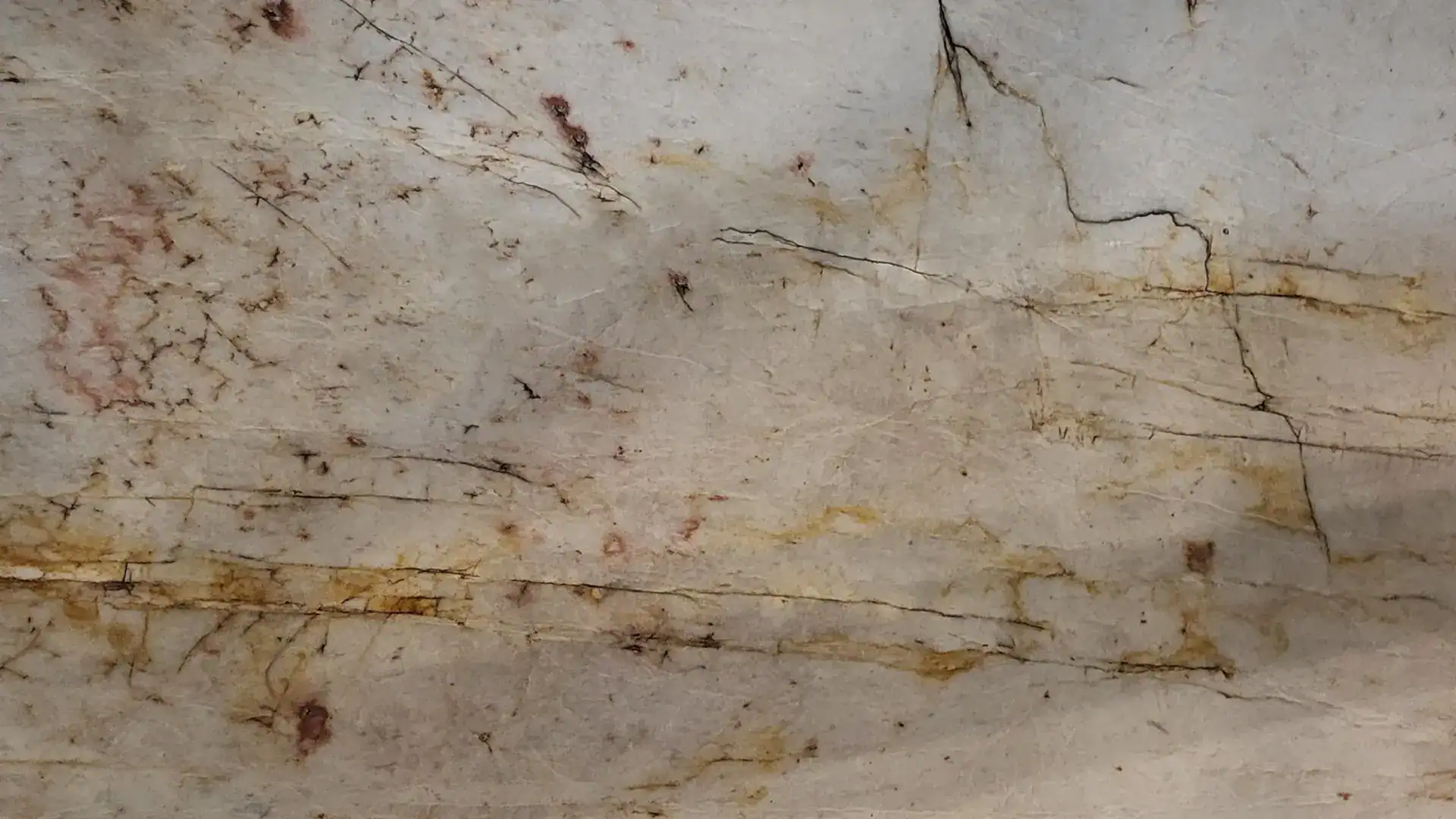
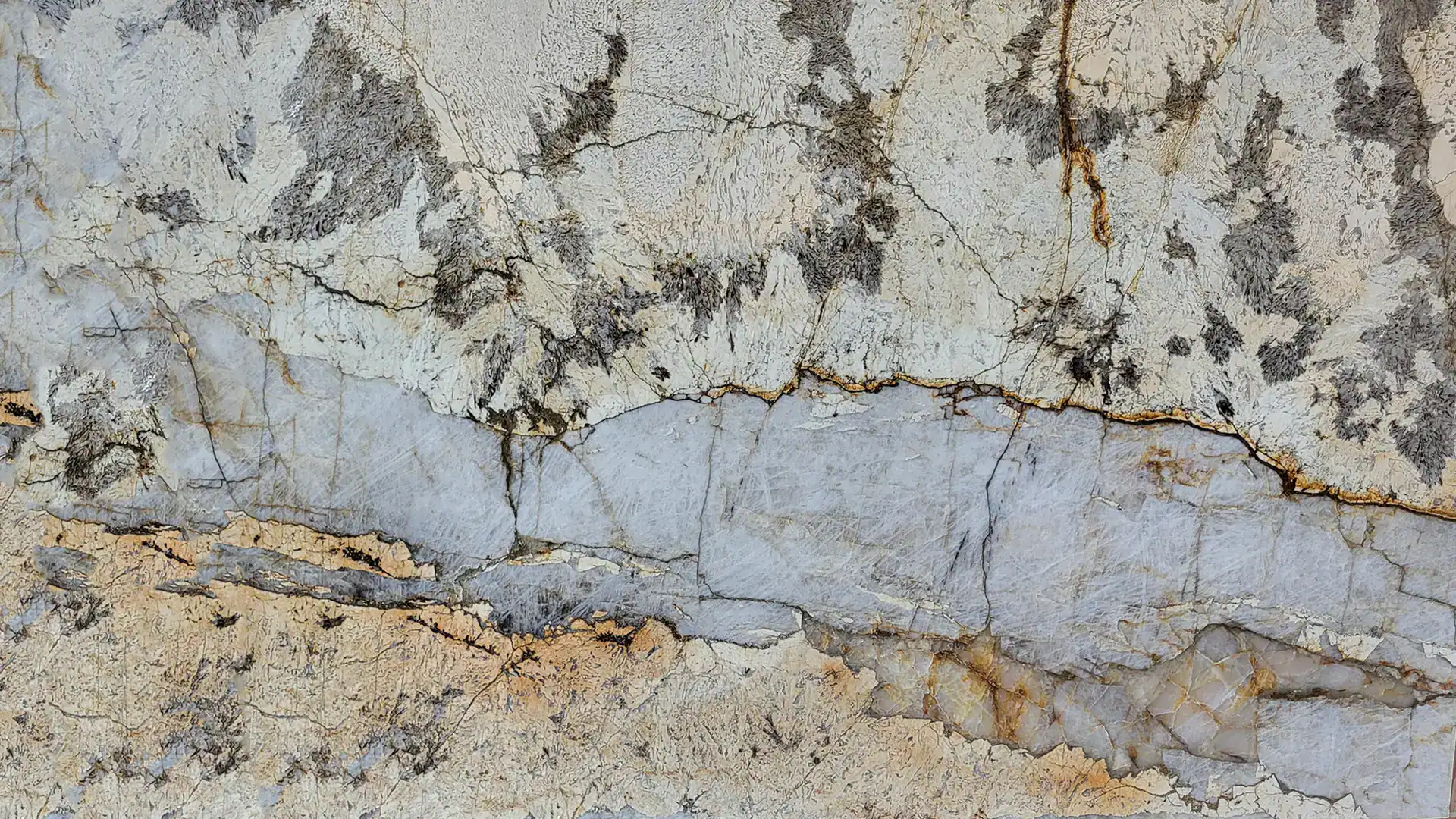
- Patagonia – Exclusive mix of quartz and crystals, a real eye-catcher.
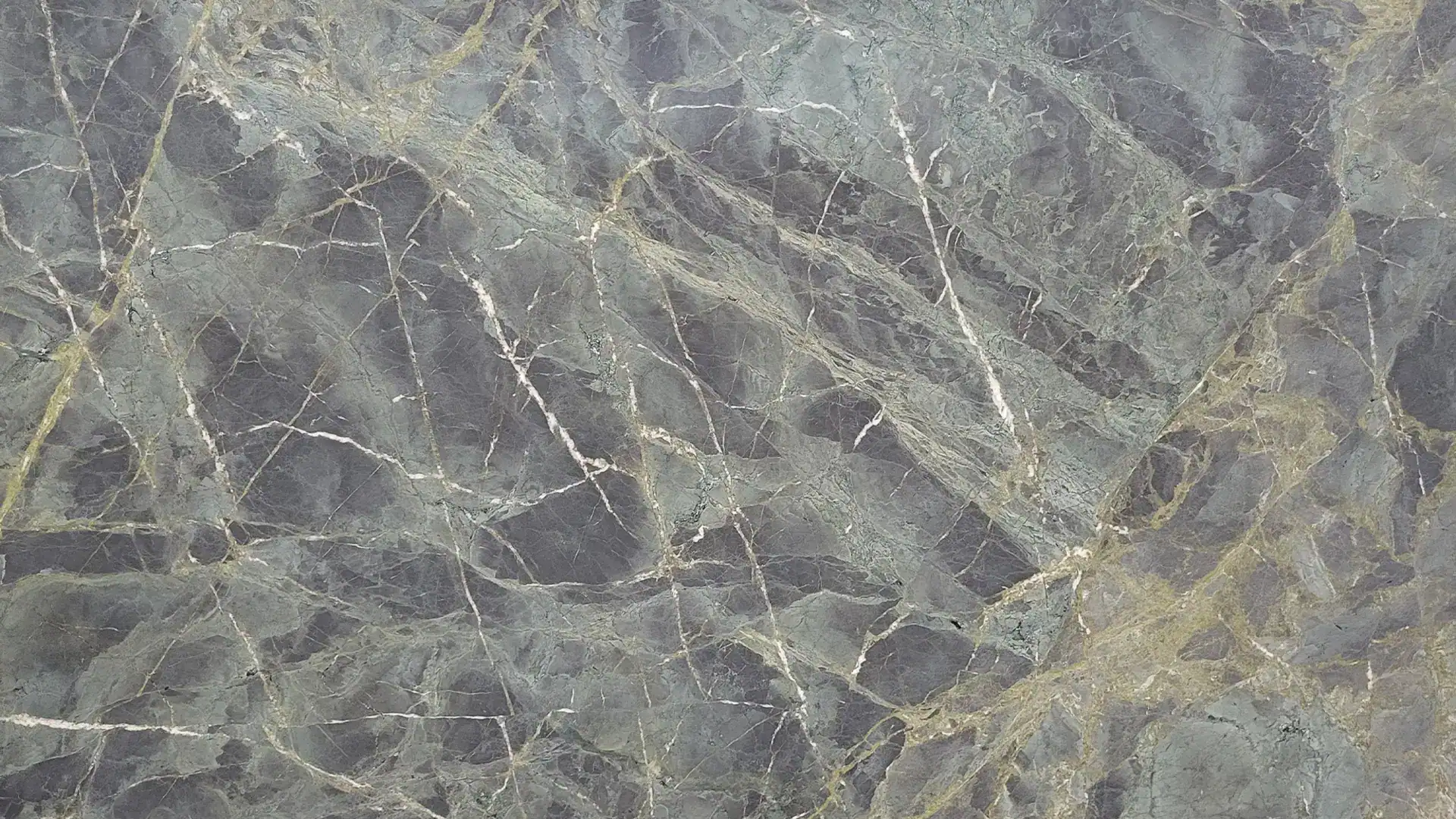
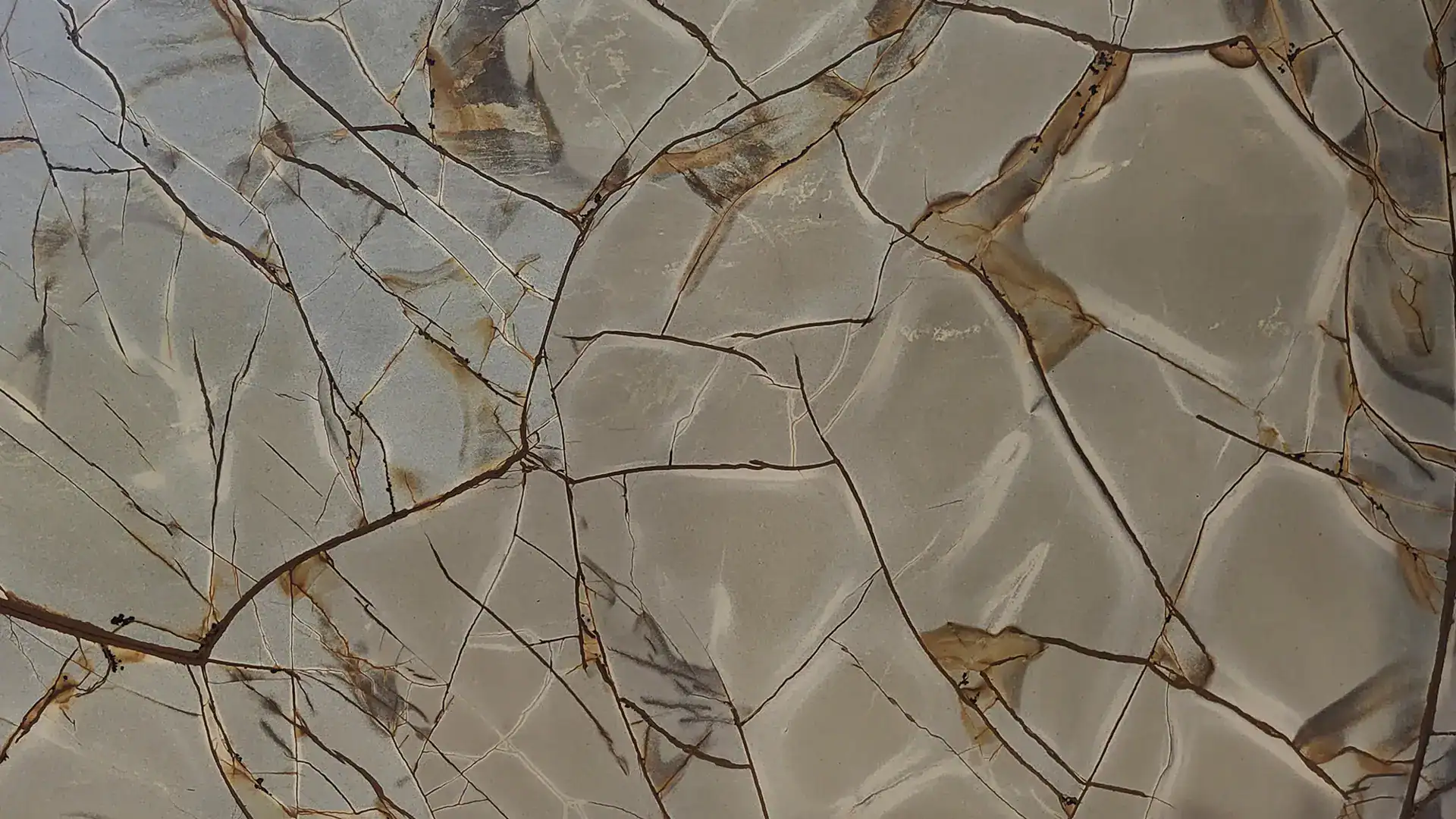
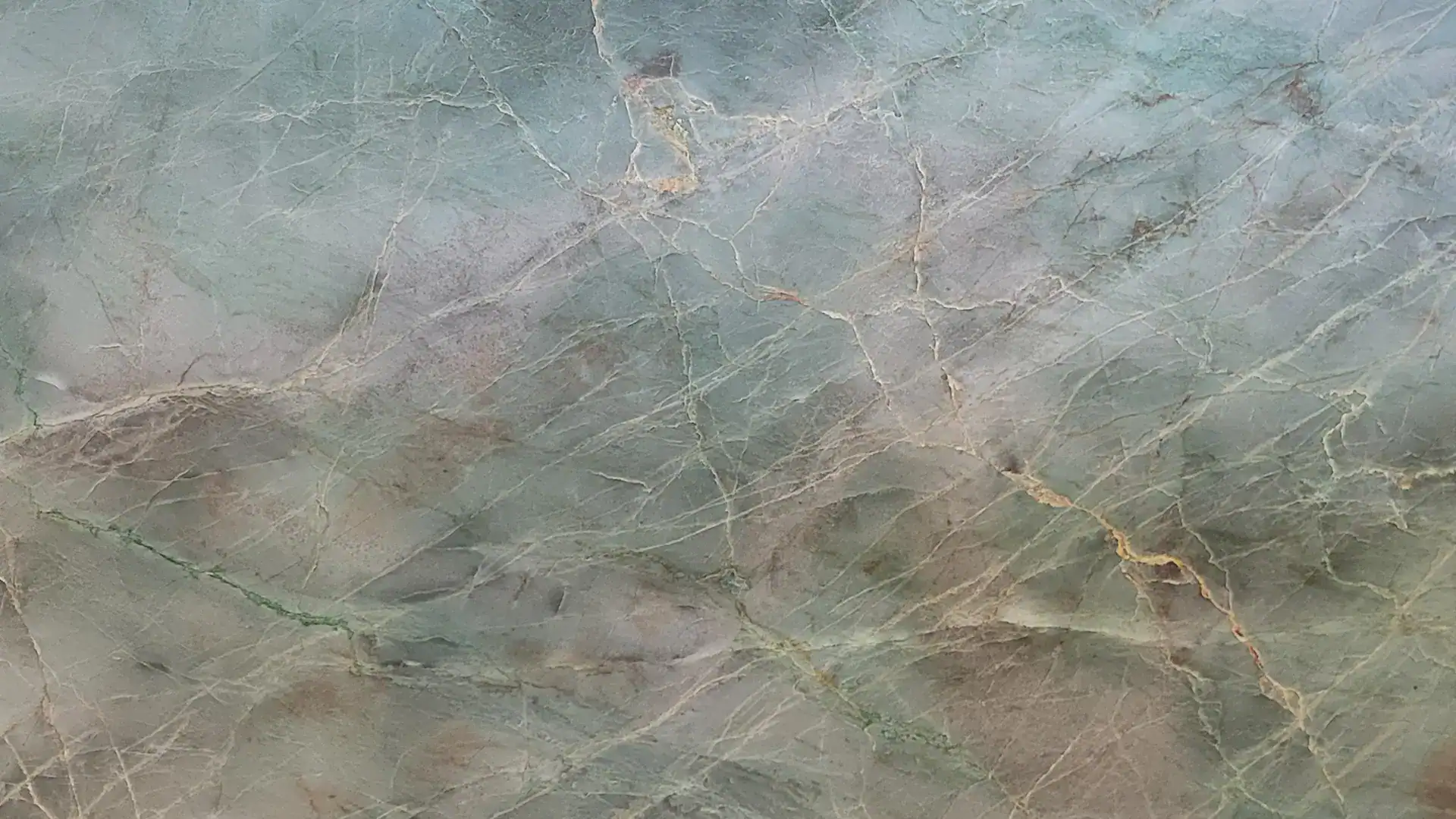
- Verde Fusion – Green with pronounced veining, ideal for statement walls or countertops.
Applications of quartzite
Quartzite is widely applicable, both functional and decorative:
- Kitchen – Countertops, kitchen islands and splashbacks.
- Bathroom – Vanity tops, shower walls and floor cladding.
- Living space – Floors, fireplaces, accent walls.
- Outdoor – Patios, façade cladding and stairs.
Properties of quartzite
- Hardness - Extremely hard, harder than granite and marble.
- Scratch resistance - Highly resistant to scratches.
- Frost-resistant - Suitable for indoor and outdoor use.
- Porosity - Low porosity, but impregnation is still recommended.
- Colour - Natural crystal structures create sparkling effects.
Pros and cons of quartzite
Advantages
- Very hard and scratch-resistant.
- Exclusive look, often more luxurious than granite.
- Suitable for indoor and outdoor use.
- Wide choice of colors and patterns.
Disadvantages
- More expensive than many other types of stone.
- Limited availability for exclusive variants.
- Heavy material; professional installation required.
Treatment & maintenance tips for quartzite
- Impregnation – Recommended for extra protection against stains.
- Cleaning – Use lukewarm water and a pH-neutral cleaner.
- Daily maintenance – Wiping with a soft cloth keeps the stone radiant.
- Avoid acids – Although harder than marble, acids can still cause damage with prolonged contact.
Do you want to experience the strength and elegance of quartzite?
Feel free to contact us and discover exclusive varieties such as Taj Mahal, White Macaubas, Patagonia and Verde Fusion.