STONE TYPES
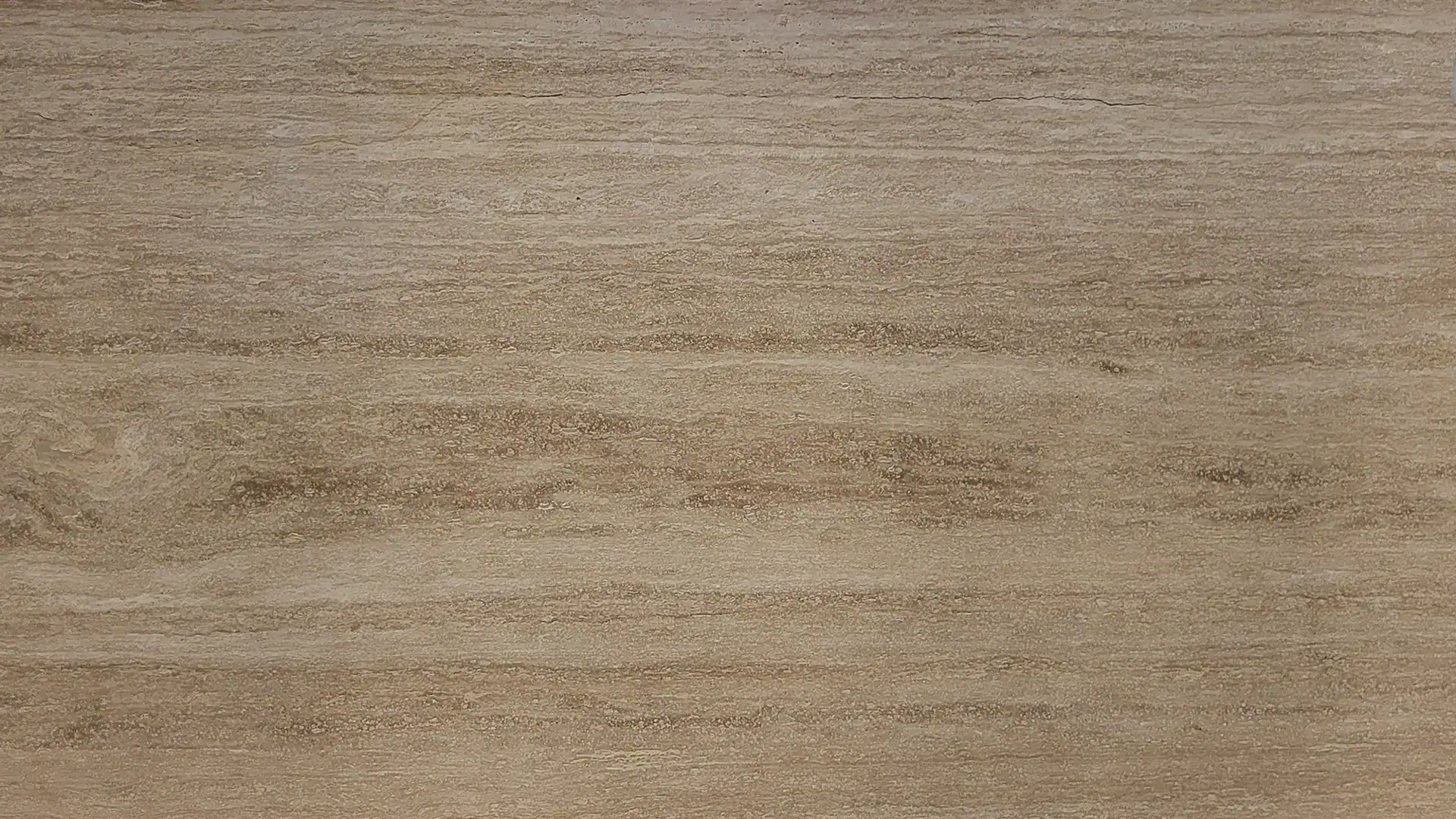
Travertine – Warm tones and natural charm
Travertine is a calcareous natural stone known for its warm colours, natural pores and timeless look. The rock was already used in Roman times for temples, amphitheatres and bathhouses – and is still a popular choice for floors, walls and bathrooms.
Origin
Travertine forms around hot springs, where lime is deposited layer by layer, forming rock. The stone mainly comes from Italy, Turkey and Iran, where centuries-old quarries still supply the finest blocks.
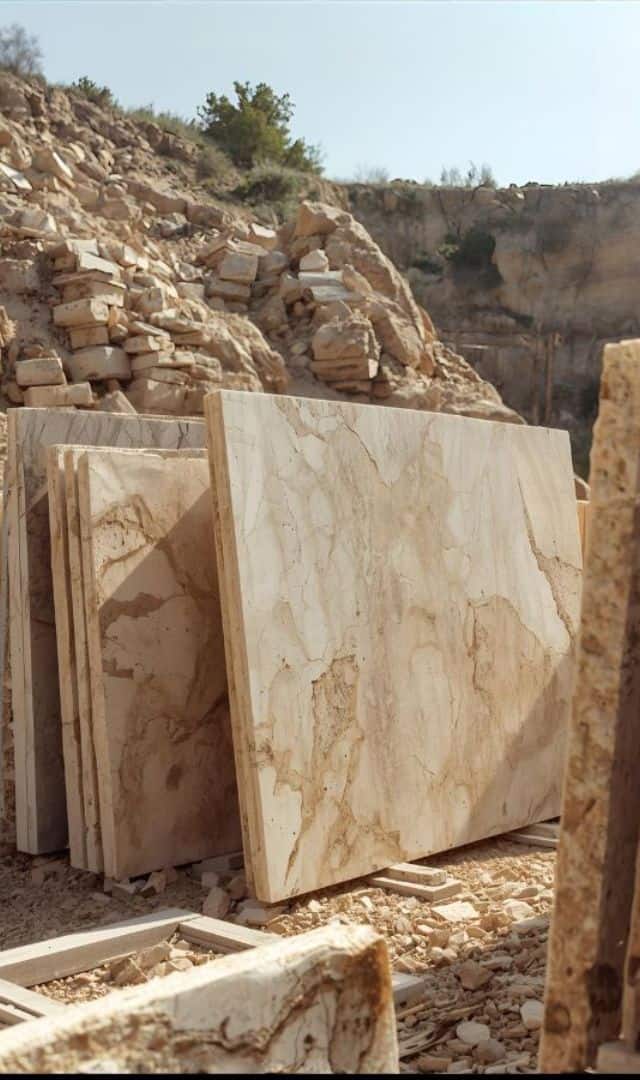
Popular types of travertine
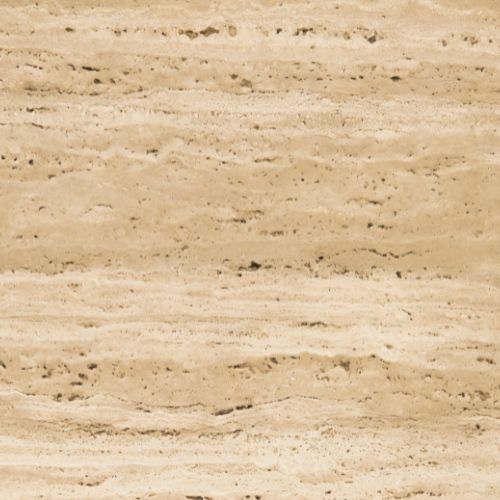
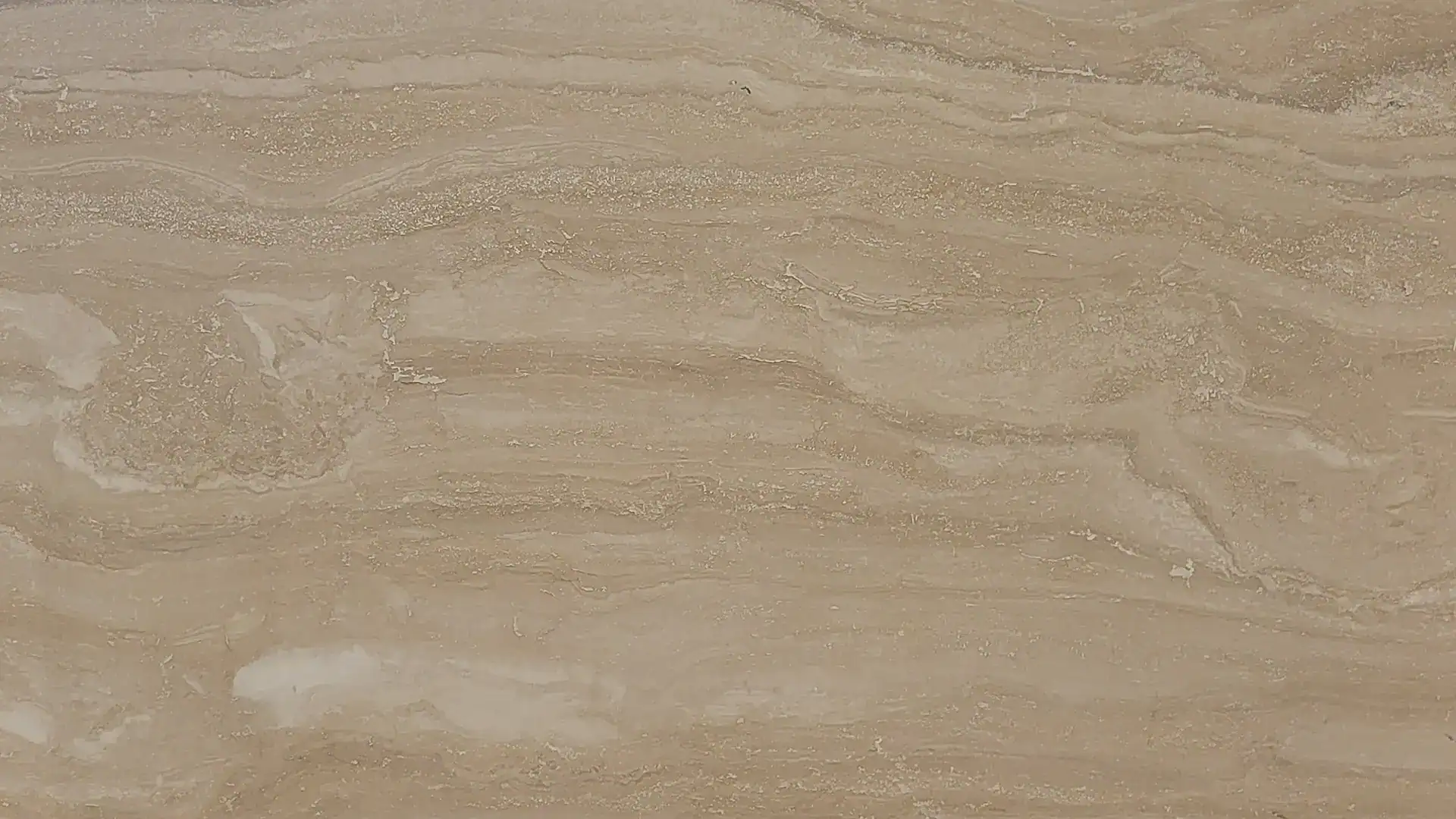
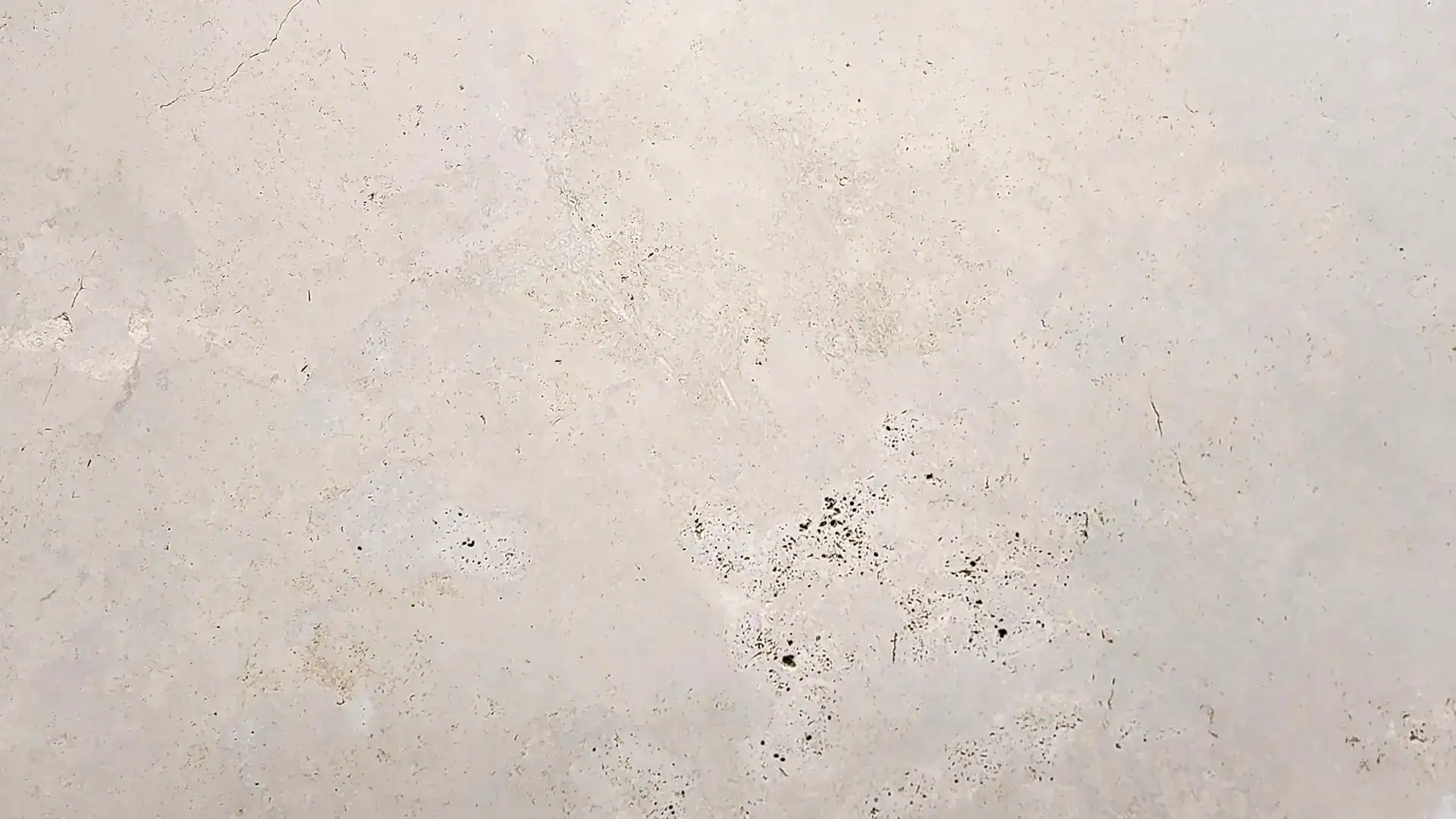
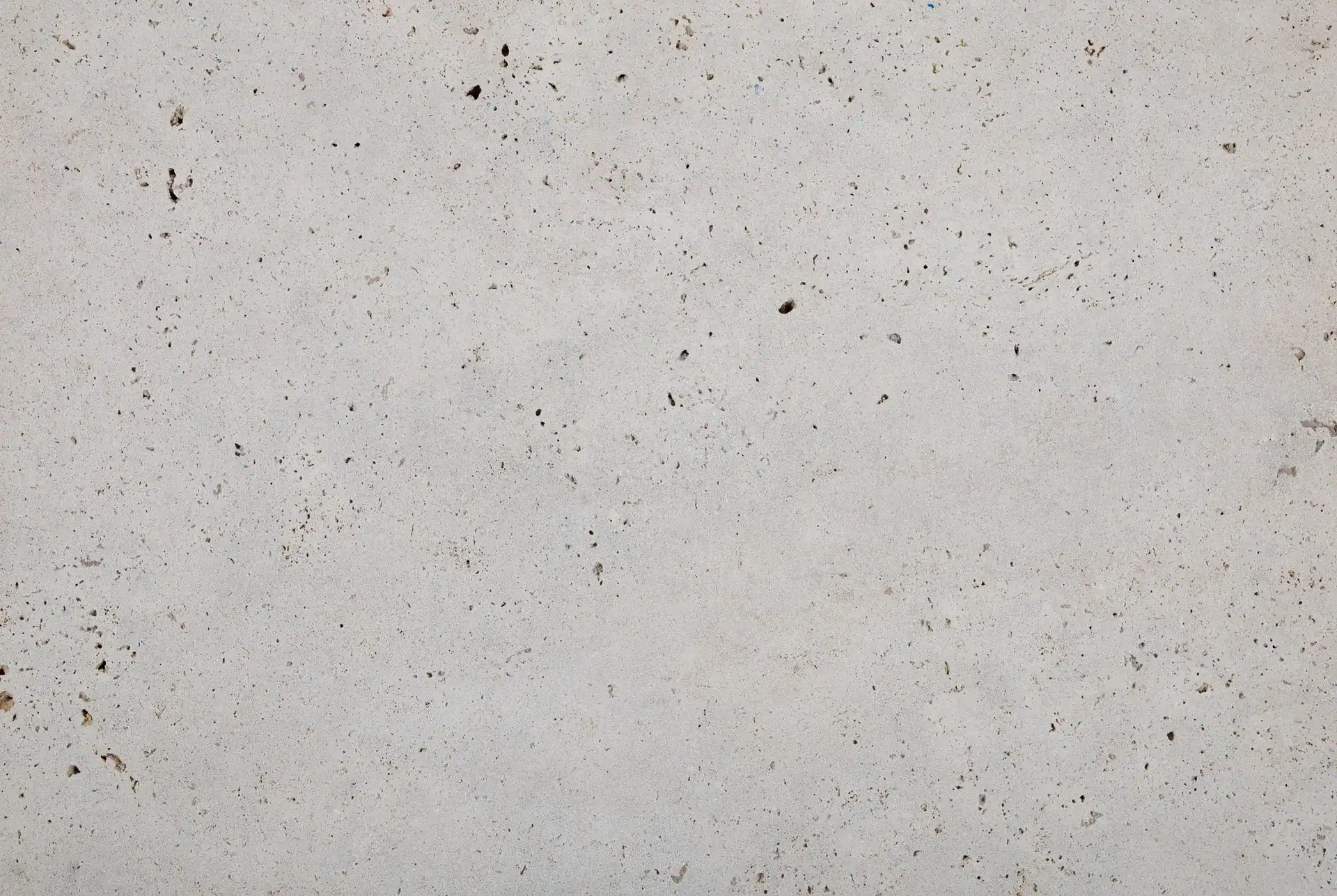
- Travertino Romano Classico – Light beige tone, classic and timeless.
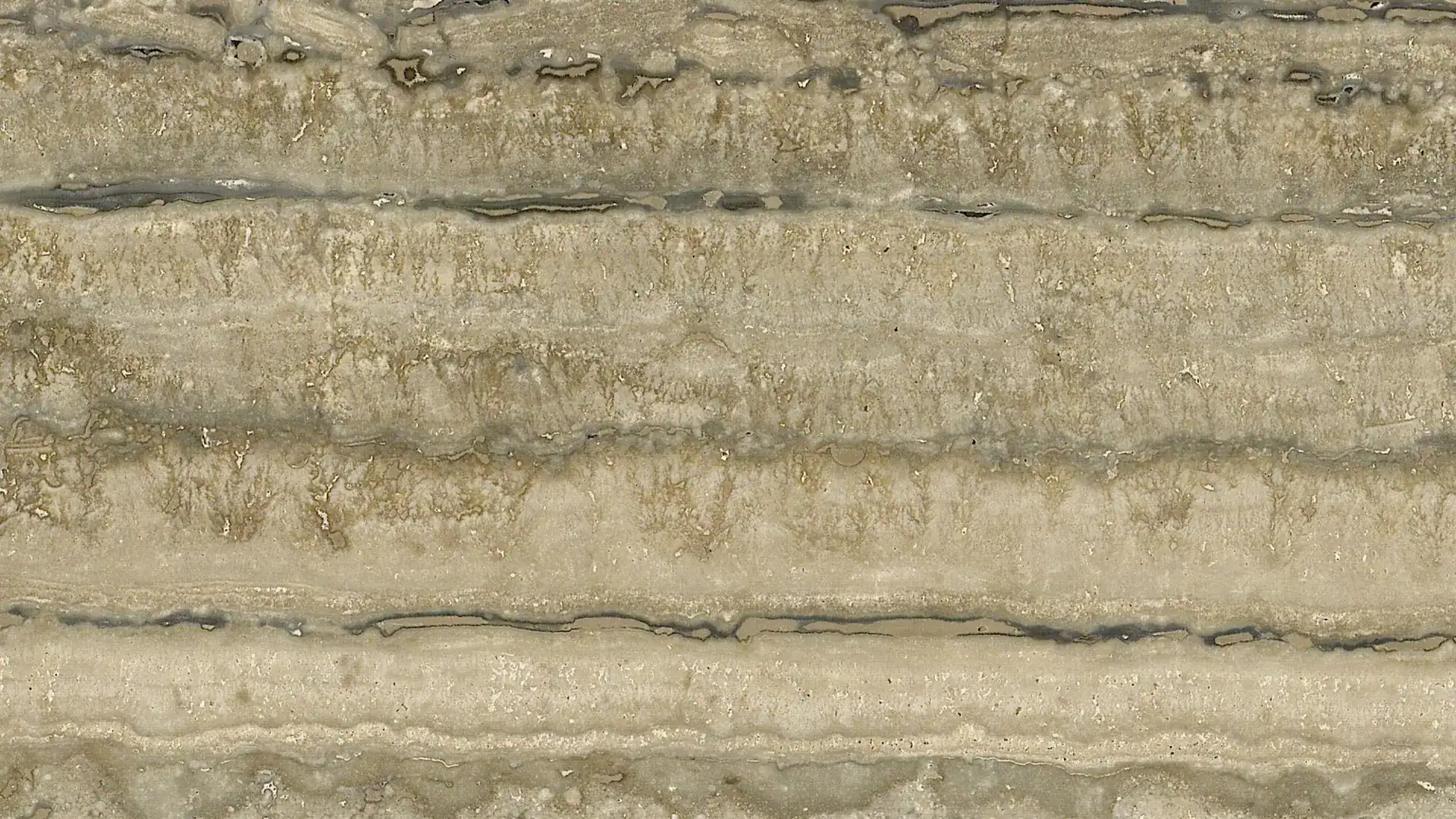
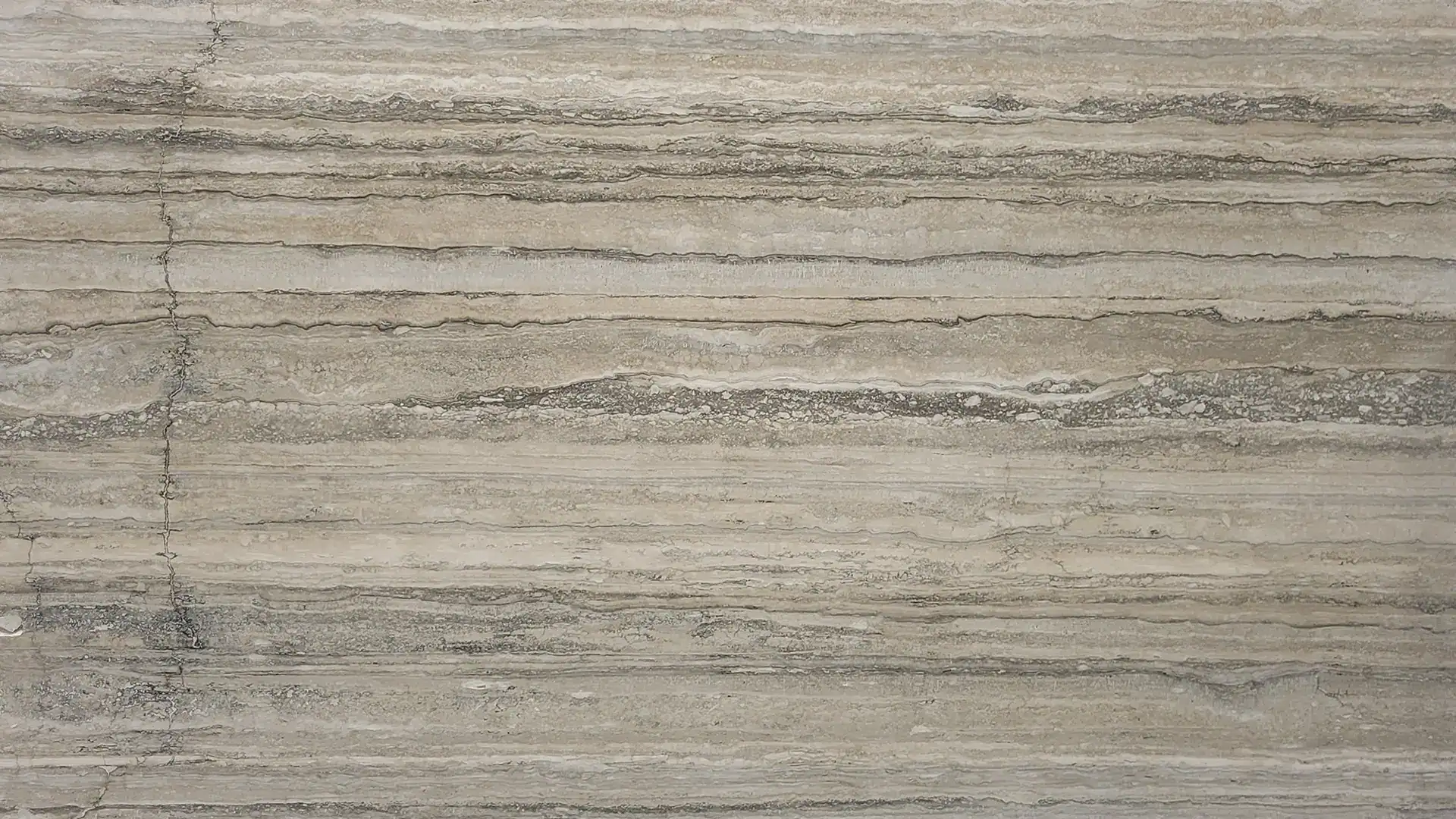
- Travertino Silver – Silver-grey with beige nuances, modern and elegant.
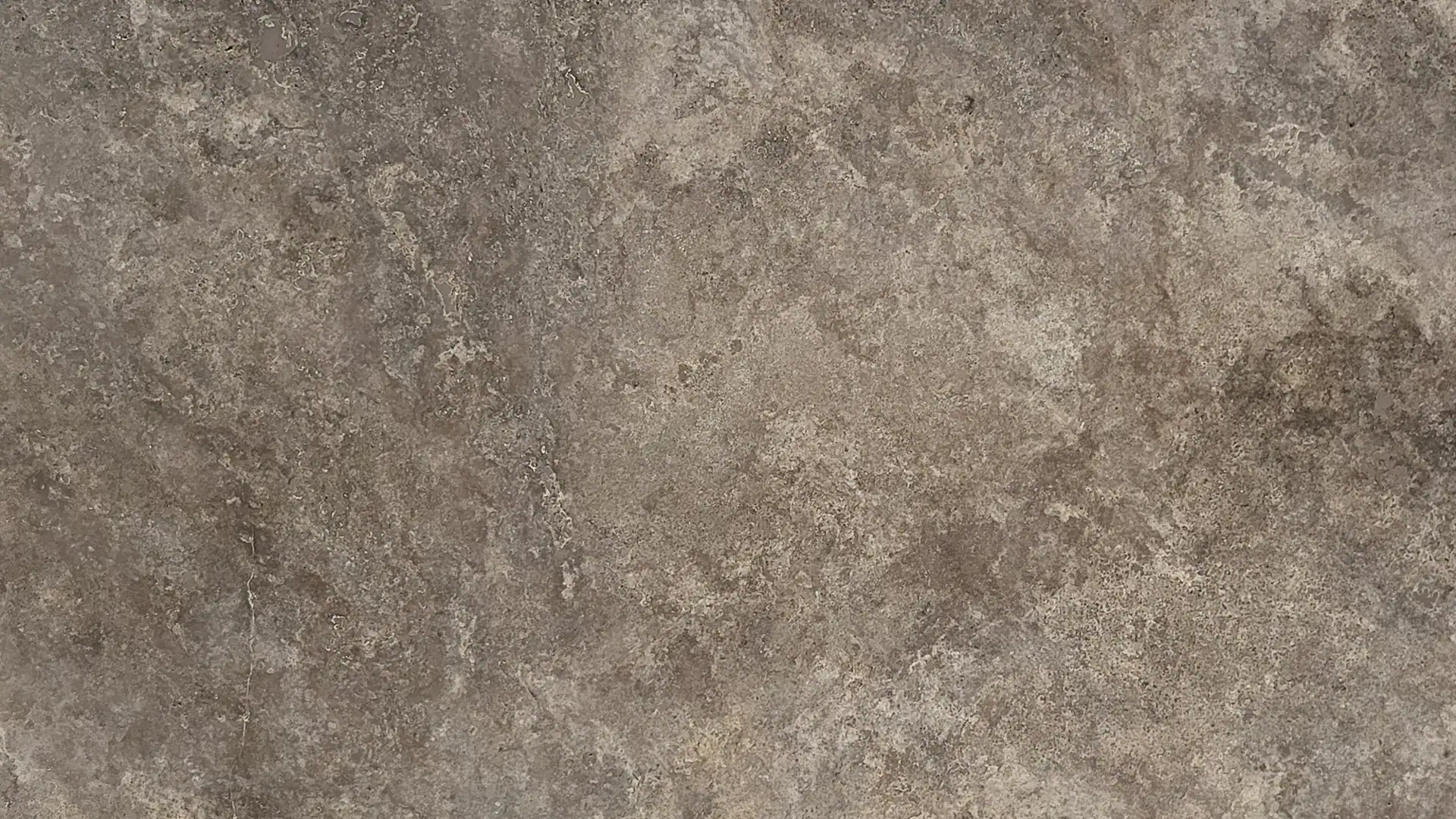
- Travertino Noce – Warm brown tone, ideal for a country-style look.
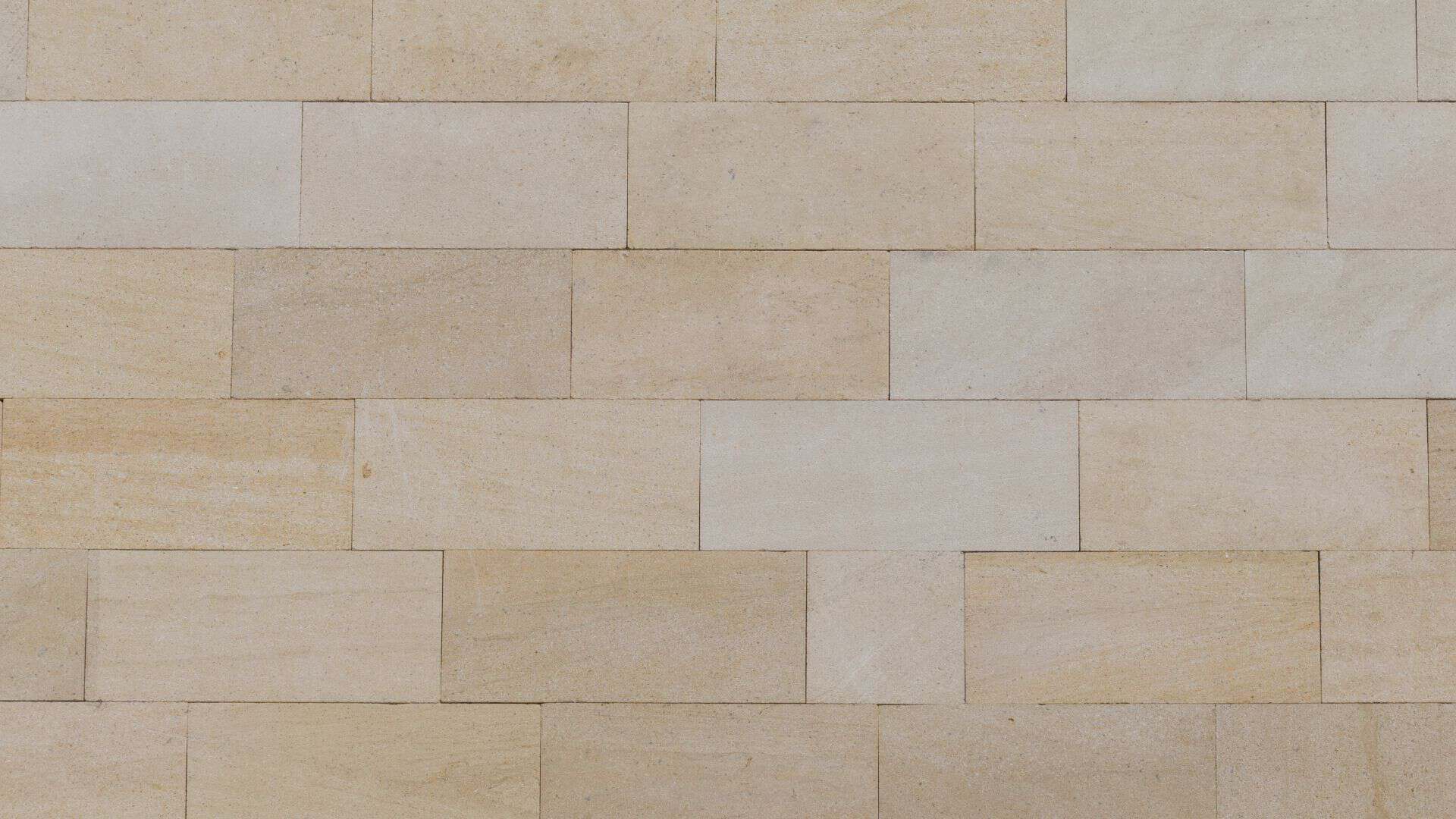
- Travertino Giallo – Yellow/beige tone, warm and sunny in character.
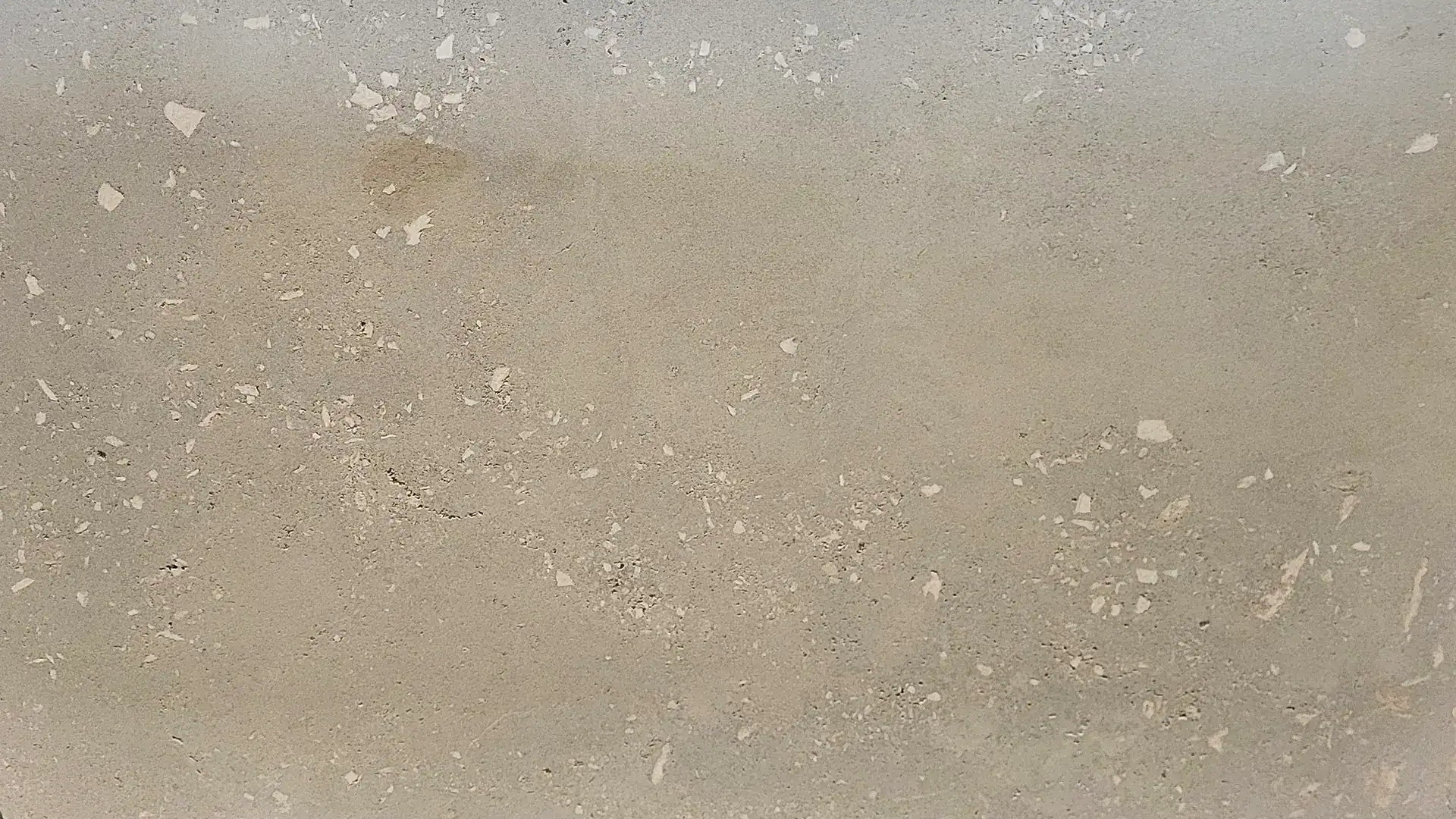
- Travertino Alabastrino – Light cream/white, subtle and luxurious.
- Travertino itanium - dark brown
Applications of travertine
Travertine is versatile and popular in both classic and modern designs:
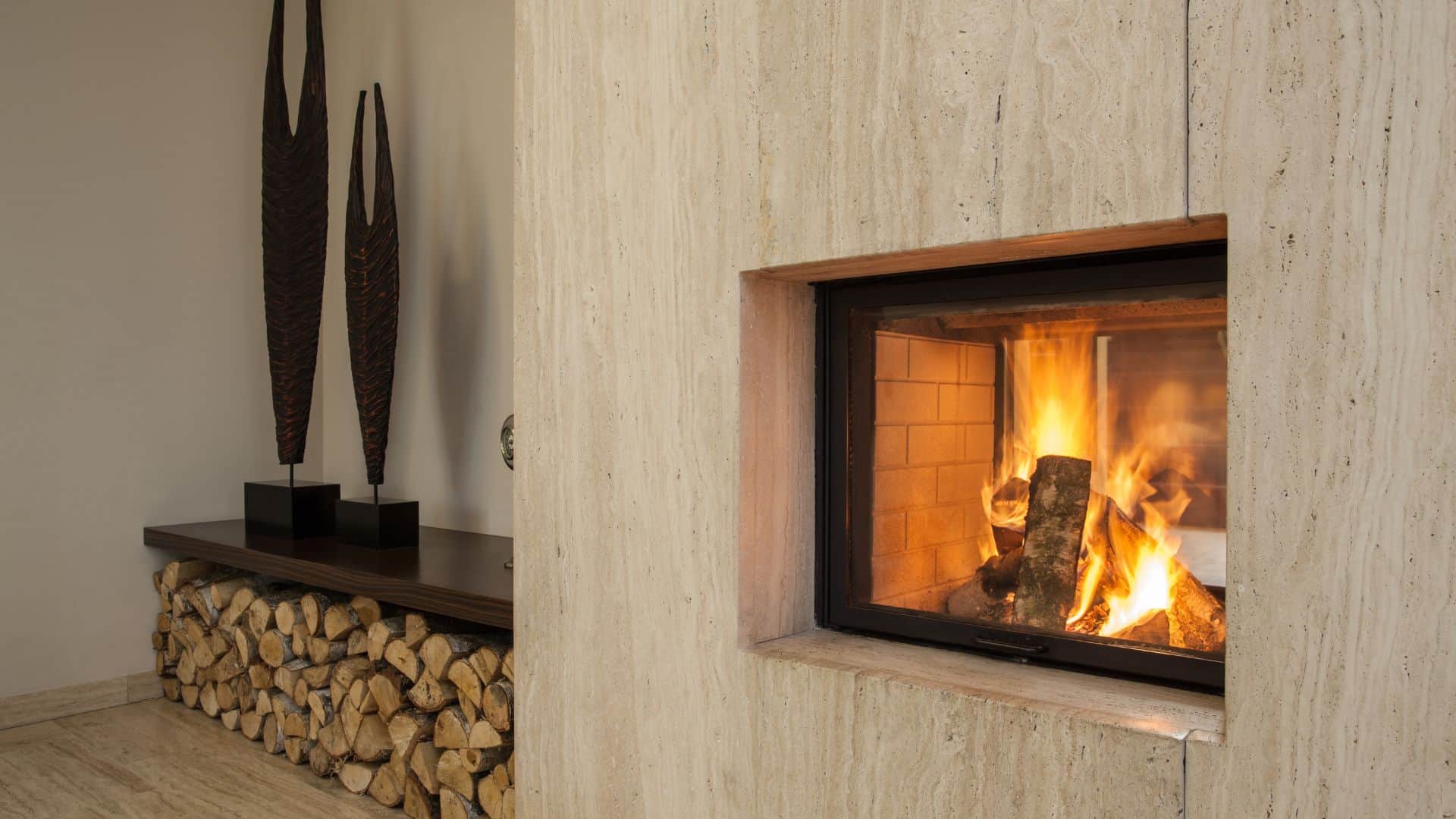
- Indoor - Floors, wall cladding, bathroom countertops and stairs.
- Outdoor - Patios, facade cladding and garden walls (provided it is properly treated).
- Decorative - Tables, ornaments and accent walls.
Properties of travertine
- Hardness - Softer than granite or quartzite.
- Scratch sensitivity - Fairly sensitive, especially with intensive use.
- Porosity - Naturally porous due to small holes/pores; often filled with resin or cement.
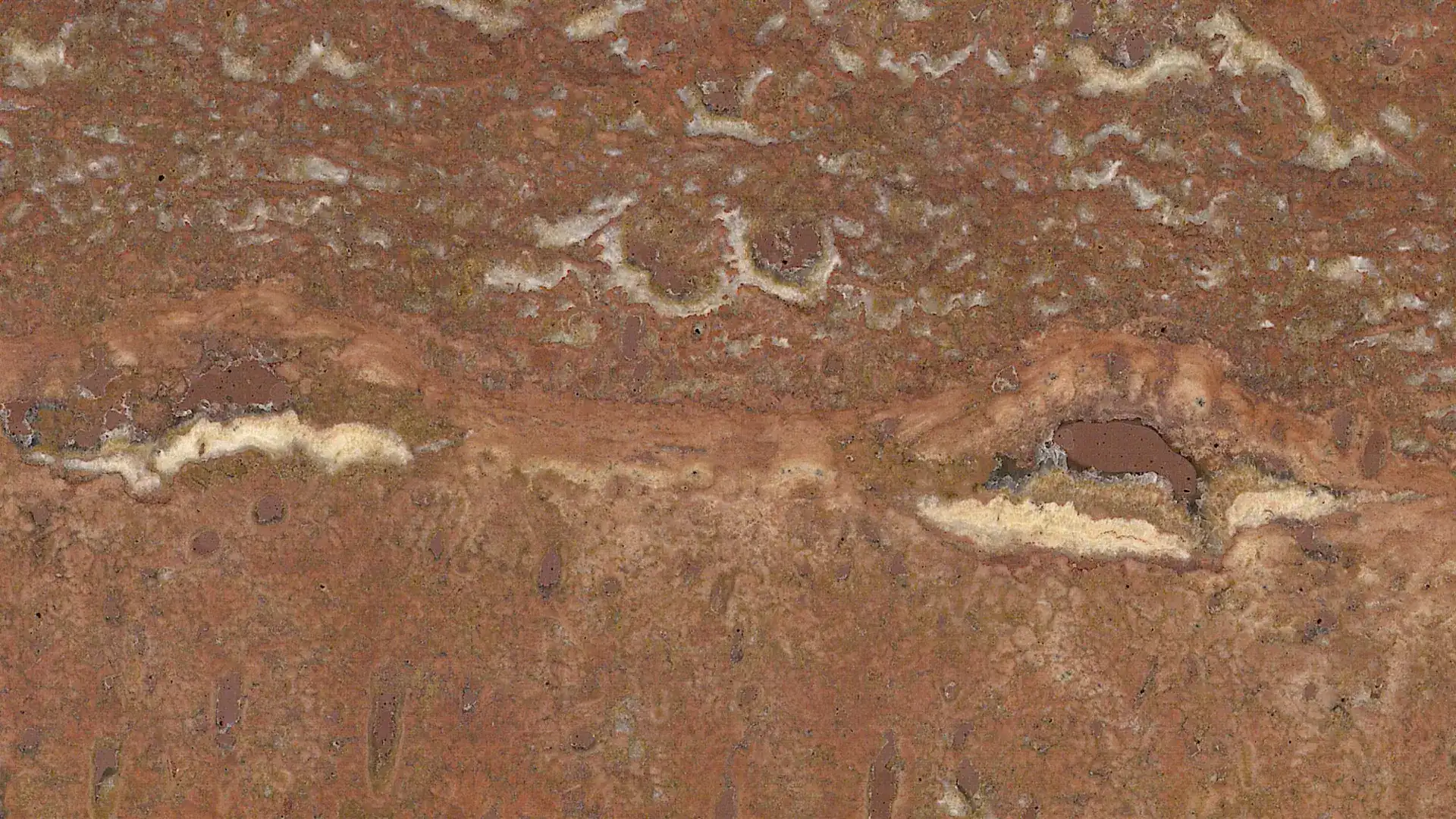
- Color - From light cream to dark brown and yellow.
- Frost-resistant - Depending on the type and finish; suitable for outdoor use provided it is properly treated.
Pros and cons of travertine
Pros
- Warm, natural look.
- Available in many colours and textures.
- Suitable for both classic and modern design.
- Famous “Roman look” due to the pores.
Cons
- Softer and more sensitive to scratches and acids.
- Porous: requires filling and impregnation.
- Only suitable outdoors with the right treatment.
Treatment & maintenance tips for travertine
- Filling and impregnating – Recommended to seal pores and prevent stains.
- Cleaning – Use mild, neutral cleaning agents. Avoid acids (vinegar, lemon).
- Periodic maintenance – Re-impregnating significantly extends its lifespan.
- Outdoors – Choose a filled and impregnated variant to avoid frost damage.
Do you want the warm look of travertine in your home or garden?
Contact us without obligation and discover Travertino Romano, Silver, Noce, Giallo and Alabastrino.